


By Anonymous
“I think about the intersection of disability and queerness a lot because I’m both queer and someone with a set of disabilities that is not immediately apparent. All my life, people have asked me things about my disabilities (or perceived disabilities). People eventually find out that I don’t drive or have a driver’s license. People eventually notice things about my brain, how I behave, how I walk. They eventually notice that I don’t do stairs unless I have a rail to hold onto, people to support me, or people who are patient enough to wait for me to walk down the stairs without rails myself.
Sometimes they say something; they ask questions. I get a lot of really intrusive questions about why I don’t drive from people I barely know. I don’t answer those. I got a question two weeks ago, and I just said “I usually don’t discuss that.” Another set of people notice my disabilities but don’t ask anything out of respect, which is a good thing because it is often true that I don’t wish to disclose, but then there’s an awkward truth that we both silently hold. And then I ask myself: why does disability need to be awkward?
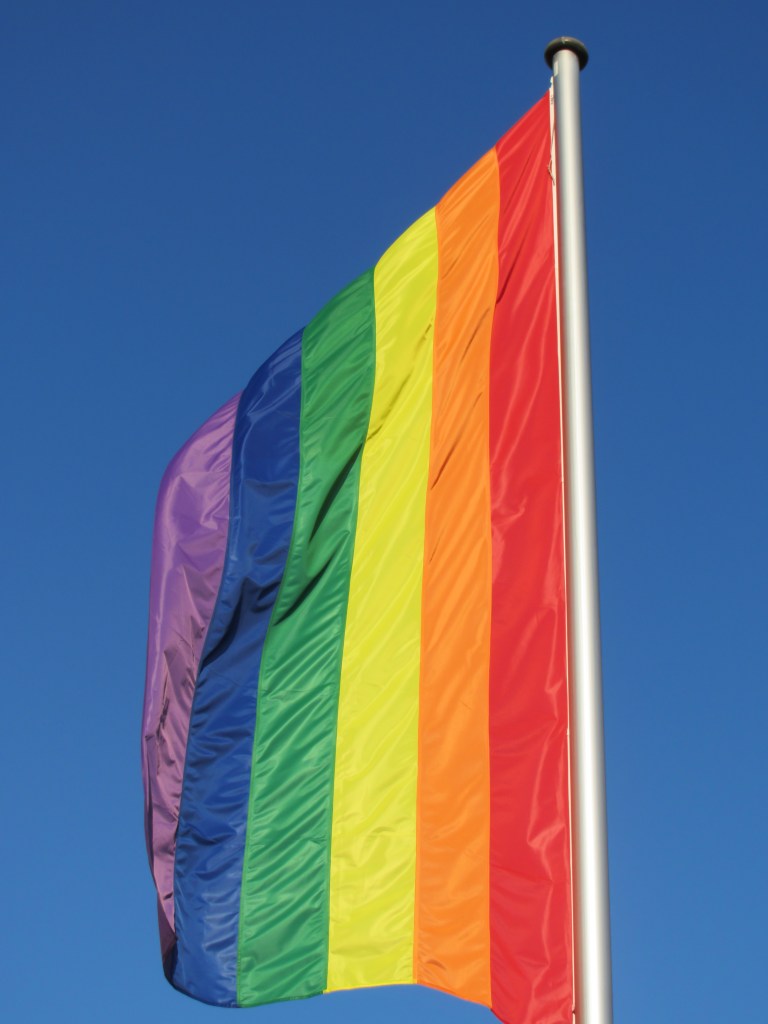
This month is my first out LGBTQ Pride Month. June 18th was also Autistic Pride Day. As you may have noticed, I have a complicated relationship with my autism, my brain, and my body. Yesterday, I realized all over again that I am much more comfortable being queer and proud than I am being autistic and proud. Other people are much more comfortable with my queerness than my autism. Some people have told me that I should be silent about my autism, but I’ve never been told I should be silent about my queerness. I do realize that my and others’ comfort with my queerness is a privilege, so I only speak for myself–but I do find myself wondering how many other autistic people might relate to this experience.
Being out and proud as queer and/or autistic is inherently political; that is, it’s a deliberate, public choice that one makes to resist the way things are. This year, I don’t have the strength to put up a full resistance. This year, silence and shame around disability have won–and that’s okay. Life is complicated like that. Maybe next year it won’t be so complicated, and I can be autistic without fear. Until then, I dream.”